Skip to content

Table of Contents
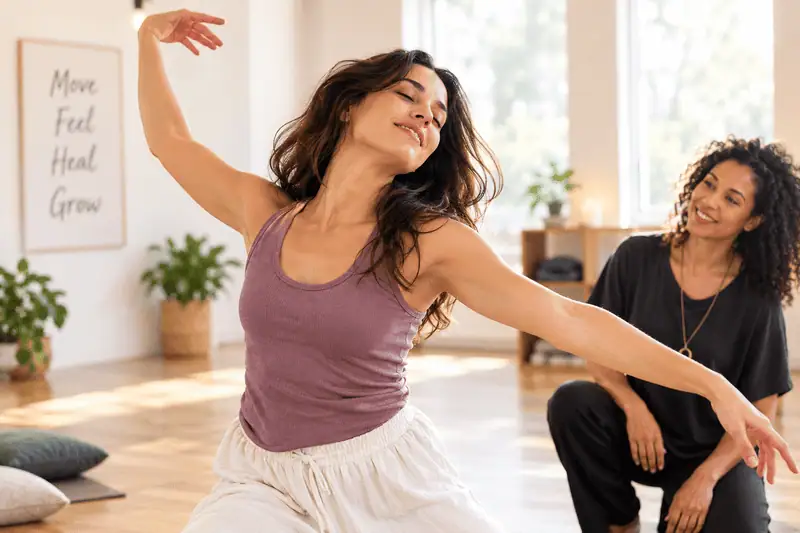
Dance/Movement Therapy (DMT) is a holistic therapeutic approach that integrates the mind and body through movement. It emphasizes the connection between emotions, physical sensations, and movement, encouraging participants to express themselves in ways that go beyond words. Whether through subtle gestures or large, expressive movements, DMT helps individuals explore their inner world and find balance. This therapeutic process offers a safe space for clients to reconnect with their body’s innate wisdom, allowing them to gain insight into emotions, experiences, and overall well-being.
In DMT, the body becomes a primary tool for healing, and movement serves as a vehicle for self-expression. During sessions, participants learn to listen to their bodies, observing their natural rhythms and movement patterns. They can access valuable insights about their mental and emotional states by attuning to the body’s signals. Dance and Movement Therapy supports individuals in navigating life’s challenges, promoting a sense of harmony between internal sensations and external expression. For those experiencing shifts in emotional well-being, physical health, or sexual expression, DMT offers a unique lens to explore these changes and their impact on overall vitality. Dance Movement Therapy offers a unique approach to healing, one that encourages the body and mind to work in harmony. Through this integrative process, clients can develop a deeper understanding of themselves, their experiences, and the stories their bodies hold.
Benefits of Dance/Movement Therapy
- Facilitates emotional expression beyond verbal communication
- Enhances self-awareness through the body’s movement and sensations
- Reduces stress and anxiety by elevating a sense of balance and relaxation
- Encourages healthy exploration of emotions and memories stored in the body
- Improves physical coordination, strength, and flexibility
- Supports personal growth and the discovery of inner resources
- Fosters a deeper connection between mind, body, and emotions
- Helps clients process trauma by safely expressing and releasing stored emotions
- Encourages mindful awareness of present-moment experiences
- Promotes overall well-being by addressing both physical and emotional health
What is Dance/Movement Therapy?
Dance/Movement Therapy is the meeting of dance, developmental movement and movement fundamentals, relational neurobiology, and depth psychology. It is a therapeutic modality that provides a somatic method to explore how the inner landscape of the self is expressed through movement and relational patterns, and how our expression and social environment impacts our inner world.
Through deep connection with the sensations and sequences of movement, posture, and body-to-body relating, we explore inner archetypes and connection with the collective unconscious. This becomes a contemplative somatic creative process that can heal and release trauma, integrate complex aspects of the life journey, and uncover the deeper meaning of experiences and relationships.
Through this deep somatic inquiry, DMT also supports fuller expression of vitality and pleasure, it clarifies and strengthens relational boundaries and self-advocacy and shows us the pathway to the kind of self-care that supports healthspan.
Who can benefit from Dance/Movement Therapy?
DMT is beneficial for individuals of all ages and backgrounds. It can be helpful for those experiencing stress, anxiety, depression, or trauma or those looking for a non-verbal way to process emotions and experiences.
Do I need dance experience to participate?
No, you do not need any formal dance experience to participate in Dance/Movement Therapy. The focus is not on performance or skill but on using movement as a form of personal expression and healing.
How is movement used in therapy sessions?
Movement in DMT can range from subtle, internal sensations to large, expressive gestures. Therapists guide clients in exploring these movements, encouraging them to tune into their body’s natural rhythms and responses.
What happens during a typical Dance/Movement Therapy session?
A typical session involves gentle guidance from the therapist, encouraging participants to explore their body’s sensations and movement patterns. Sessions may include a combination of conversation, movement exercises, and reflection, all aimed at fostering emotional and physical awareness.
Can DMT help with trauma?
Yes, Dance/Movement Therapy can be particularly effective in addressing trauma. Movement allows individuals to express and process emotions and memories that may be difficult to access through words alone. The body holds onto experiences, and DMT provides a safe space to explore and release these stored emotions.