

 Skip to content
 Clinicians working with complex trauma or somatic intimacy cases often hit a wall alone, second-guessing an intervention with no one qualified to weigh in before the next session. Supervision for therapists in Lafayette, CO, provides licensed clinicians and trainees with a structured way to receive case feedback, log hours, and sharpen somatic skills alongside peers who understand the work. At Embodied Relationships Training Center, therapists bring real cases into the room and leave with a specific next step, not just validation. That distinction matters most for clinicians doing intimacy and trauma work. A well-meaning but generic “that sounds hard” from a friend outside the field does nothing to move a stuck case forward.
Founder Melissa Walker, MA, LPC, CST, R-DMT, personally leads case consultation sessions after building the Somatic-Concentric Sex Therapy (S-CST) model and training at Naropa University in nearby Boulder. Co-facilitator Anna Mayer, MA, LPC, R-DMT, brings ten years of embodied intimacy experience and regularly supervises clinicians working through complex couples cases. Their Lafayette studio on East Simpson Street sits along the US-36 corridor, within easy reach of clinicians in Boulder, Denver, and Longmont. Colorado associate clinicians can apply supervised hours from these groups directly toward licensure through the state’s Department of Regulatory Agencies.
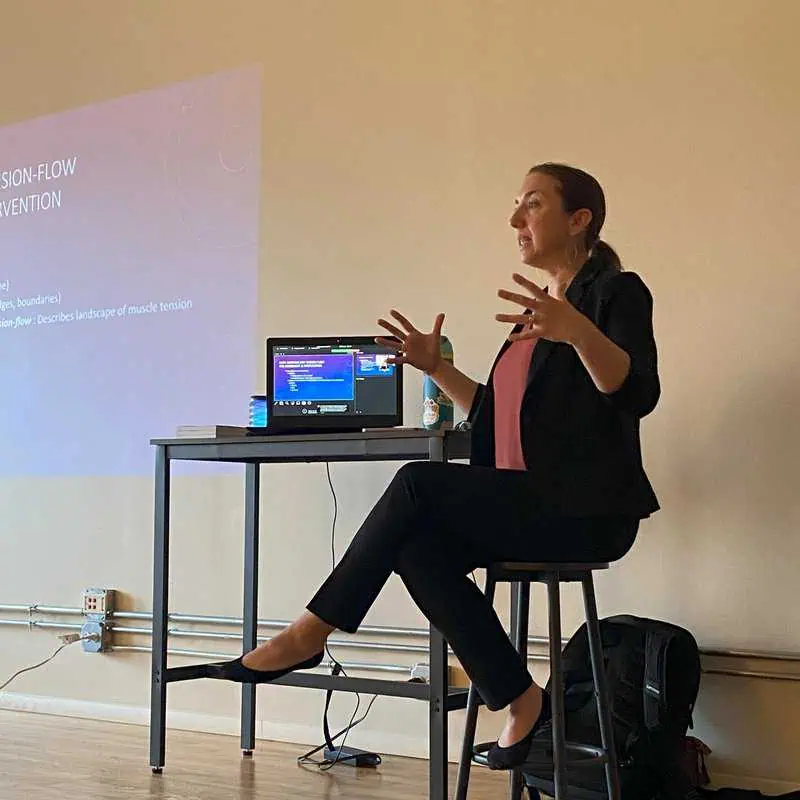
Embodied Relationships Training Center offers three distinct paths for clinical support, so therapists can choose the format that best matches their needs.
Associate-level trainees working toward full licensure often need documented supervision hours specifically, while fully licensed therapists usually join for the case variety and peer perspective rather than any hour requirement. AASECT candidates fall somewhere between the two, since their credentialing body requires supervised hours with a qualified sex therapy supervisor specifically, not just any clinical supervisor.
Peer-based consultation and individual supervision solve different problems, even though both count toward licensure hours in Colorado. A therapist choosing between them typically wants either a shared perspective from peers or a dedicated one-on-one oversight, not both at once. Faculty help each clinician pick the right format during intake, rather than leaving the decision to guesswork. A clinician who already has a licensed supervisor for compliance purposes might still join a consultation group solely for the variety of cases. One supervisor cannot replicate the range of perspectives a room of six or eight therapists brings to the same client pattern.
Case consultation groups meet regularly for clinicians to present a real client situation and get input from peers who also work with somatic and relational cases. Presenters describe not just what a client said, but what they tracked in the client’s body during the session, since that detail often changes what the group recommends. Faculty guide the discussion so feedback stays specific and actionable rather than turning into general reassurance. These groups serve as somatic clinical supervision for clinicians seeking ongoing, case-specific feedback rather than a one-time training weekend. A typical session moves through two or three case presentations, each followed by focused questions from the group before faculty offer a synthesis.
Clinicians often leave with a concrete next intervention to try, not just a general sense that the case was discussed. These sessions also double as group clinical supervision for somatic therapists in Lafayette, CO, since faculty document attendance and participation for anyone tracking hours. Clinicians describe this relational therapist case consultation group format as the closest thing to having a specialized colleague down the hall, even when they otherwise practice alone.
AASECT candidates and pre-licensed associates need supervision hours that specifically satisfy their credentialing body’s requirements, not just general peer feedback. This track pairs each trainee with a qualified supervisor who signs off on hours toward AASECT certification or Colorado licensure. Sessions still include case presentation and somatic tracking practice rather than paperwork review alone. Clinicians pursuing sex therapy supervision in Colorado typically enter this track after completing foundation-level coursework, since supervisors expect baseline familiarity with the S-CST model.
This AASECT sex therapy supervision group in Colorado meets on a regular cadence so hours accumulate predictably rather than sporadically. Supervisors track each trainee’s progress across sessions rather than evaluating a single case in isolation. This lets them flag a recurring pattern in a clinician’s own approach, not just in the client work being presented.
Clinicians who join consultation groups report breaking through client plateaus faster than when they work cases alone. A case that feels stuck after months of individual work often moves within a session or two once other clinicians weigh in. They frequently see something the primary therapist has stopped noticing.
Body-based tracking is a skill that degrades without practice, much like any other clinical technique a therapist learned once and rarely uses. Clinicians who present cases regularly stay sharp at naming what they notice in a client’s posture or breathing. Otherwise, they tend to default back to purely verbal observation once the excitement of a training weekend fades.
Clinicians who regularly present cases develop a habit of noticing their own countertransference before it affects treatment, rather than realizing it months later. Feedback from peers compresses that learning curve, since someone else often names a blind spot in minutes that might otherwise take years of solo practice to see. Sex therapy and somatic work carry a particular burnout risk, since clinicians absorb intense material session after session with few colleagues who fully understand the specifics. A consultation group gives that isolation somewhere to go, which several long-term participants describe as the difference between staying in the specialty and quietly drifting back to more general practice.
Kristen Crowe, LPCC, BC-DMT, said the single tool she uses most in daily practice came directly from consultation, not from a training weekend. Rebecca Diaz, MA, LPCC, described feeling more confident sitting with couples the day after a session. She said she could access more information from the body and slow down with more intention.
These groups meet on a regular cadence, combining in-person sessions in Lafayette with an online option for clinicians outside their commuting range. Clinicians commit to a recurring slot rather than dropping in occasionally, since consistent attendance is part of what makes the peer relationships and case continuity work.
A typical session runs long enough for two or three presentations without feeling rushed, and faculty keep time so no single case dominates the room. New participants observe a session before presenting their own case, which gives them a feel for how the group gives feedback before they are the one receiving it. Current session times and formats are listed on the Group Consultation Page for clinicians who want to check availability before applying.
Clinicians new to somatic work sometimes start with the Somatic-Concentric Sex Therapy Foundation training before joining a session, since foundational skills make case presentations more specific. Others check the Therapist Training Portal to coordinate ongoing case support with an upcoming training weekend, so a single trip to Lafayette covers both. Faculty do not require Foundation training as a prerequisite for consultation groups, since the format works for any licensed clinician, regardless of somatic background. The two experiences simply tend to reinforce each other well.
In-person groups meet at the Embodied Relationships Training Center’s office, 308 East Simpson Street, Lafayette, Colorado. The location is easily accessible for clinicians in Boulder, Denver, and Longmont.
Yes, sessions are facilitated by qualified supervisors and satisfy required hours for Colorado LPC, LMFT, and LCSW licensure tracks. Hours also apply toward specialized somatic and sex therapy certifications.
Individual supervision focuses on one-on-one clinical guidance and licensure oversight, while group consultation brings multiple clinicians together to share case perspectives and practice somatic interventions. Both count toward licensure hours in Colorado, but clinicians typically choose based on whether they want dedicated oversight or peer-based feedback.
Participants sharpen their ability to track somatic markers, resolve intimacy roadblocks in client cases, and manage their own countertransference. Most also report feeling less isolated in high-intensity specialties like sex therapy, which directly reduces burnout risk.
Groups are open to licensed mental health professionals, including LPCs, LMFTs, LCSWs, and psychologists, as well as pre-licensed associate counselors and AASECT candidates. Graduate-level interns working in relational, sex, or somatic therapy fields are also welcome to apply.
Clinicians ready for ongoing case support can start with supervision for therapists in Lafayette, CO, whether that means a single consultation session or a full supervision track. The right starting point depends on what licensure or certification requires. Embodied Relationships Training Center keeps groups small enough that every clinician presents regularly, not just occasionally. Ongoing case support matters most in the specialties where clinicians feel most alone, and sex and somatic therapy tend to top that list. Visit our Contact/Supervision Application Page to apply for an upcoming consultation group or request a supervision intake call.